
Paderborn University research award winners present their results
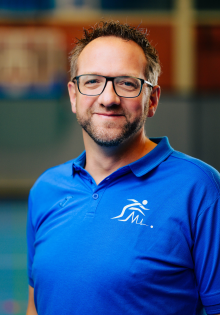
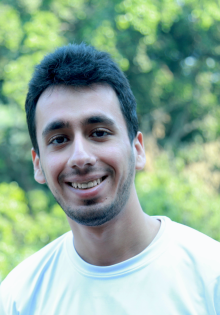
Improving the lives of people with epilepsy through cost-effective and reliable real-time prediction - that is one of the goals of scientists at Paderborn University. Although emergency medication and safety precautions already exist, the unpredictability of epileptic seizures makes them difficult to use. Professor Dr Dr Claus Reinsberger, neurologist and head of the Institute of Sports Medicine, and Dr Tanuj Hasija from the Institute of Electrical Engineering and Information Technology have therefore been working for several years on a novel system for a wrist-worn device, a so-called wearable, which provides seizure predictions in real time. The scientists were awarded the Paderborn University Research Prize in 2023 for their project. The funding has already enabled them to create an initial prototype, which the scientists have now presented to the public at a lecture in Paderborn Town Hall.
Predictability of seizures
More than 50 million people worldwide suffer from epilepsy. The main symptoms include epileptic seizures, which are often accompanied by loss of consciousness and injuries - in some cases even with fatal outcomes. The uncertainty of when the next seizure will occur is one of the most challenging aspects of the disease. "If it is possible to predict epileptic seizures, it is possible to react more quickly, for example with certain medications that prevent a seizure and thus also possible injuries," explains Professor Reinsberger. Methods that have been researched to date are mostly based on invasive electroencephalography (EEG), in which small devices are implanted in the patient's brain. This invasive method is often associated with significant side effects.
Algorithm for real-time prediction
During a seizure, different nerve cells become active at the same time, activating different areas of the brain in each person affected. This makes the disease particularly challenging for research. The Paderborn scientists are therefore focussing on wearables that record various parameters of the autonomic nervous system (ANS), such as heart rate, sweat activity and breathing rate. To do this, they use sensors that have already been developed and can be found in smartwatches, for example. In the process of optimising these, the research team analysed data from 450 patients at Boston Children's Hospital. "We noticed that certain ANS values rise sharply and visibly at least half an hour beforehand. We were able to use this to develop an algorithm that processes this data and recognises when an attack is imminent," says Dr Hasija.
The scientists and their team have developed an AI-based algorithm that analyses multimodal ANS signals in patient data to identify patterns that frequently occur before seizures. The system can identify periods with a high probability of a seizure in the coming minutes. In combination with explainable AI, the algorithm also provides comprehensible explanations for its predictions - so patients and doctors can understand why a warning has been issued and take informed action in good time. Patients can view the recorded data on a platform with a live dashboard.
In contrast to existing methods based on EEGs, wearables are not only easier to use, but also significantly cheaper and non-stigmatising, as they are barely distinguishable from other devices such as smartwatches when worn on the wrist.
Future development
The scientists involved have been able to make significant progress in recent years with the help of the research prize. Those present at the presentation of the results in the town hall, including some relatives of people with epilepsy, were able to see a technical prototype up close and even try it out for themselves. "In the next step, we would like to work together with the participating universities and hospitals on the clinical implementation in everyday life," says Professor Reinsberger. Further tests with new hardware and the application for official authorisation are also necessary.
"With the Paderborn University Research Prize, we honour interdisziplin?r, high-risk and bold ideas like these. I am delighted that the researchers have already achieved their first successes," says Professor Dr Thomas Tr?ster, Vice-President for Research and Academic Careers at Paderborn University. The prize is endowed with 150,000 euros and specifically promotes collaboration between teams from different departments. It is intended to give particularly highly visionary research projects a chance of realisation.
This text was translated automatically.